

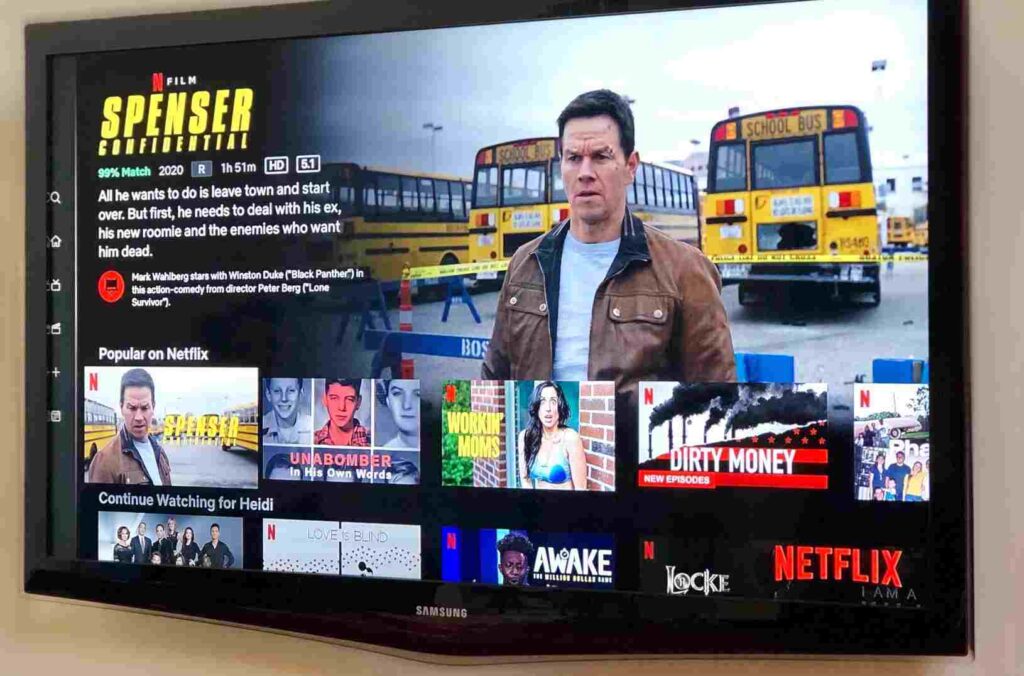
IPTV, or Internet Protocol Television, is revolutionizing the way people consume television content across Europe. By delivering television services over internet protocol networks, IPTV provides a more flexible and personalized viewing experience compared to traditional broadcast methods.

IPTV Europe has seen significant growth as consumers look for alternatives to conventional TV broadcasting. This technology allows for a wide range of channels and on-demand content, making it a popular choice among viewers.
The flexibility and variety offered by IPTV are changing the television landscape in Europe, making it an exciting development in the world of entertainment.
Key Takeaways
- IPTV delivers television services over the internet.
- It offers a more personalized viewing experience.
- IPTV Europe is experiencing significant growth.
- Consumers have access to a wide range of channels and on-demand content.
- IPTV is changing the traditional TV broadcasting landscape.
The Evolution of Television: From Cable to Digital
Television broadcasting has seen a remarkable evolution, from the early days of cable TV to the current digital television revolution. This transformation has been driven by advancements in technology and changing consumer preferences.
Traditional Broadcasting Methods
Traditional cable TV was the cornerstone of home entertainment for decades. It relied on a network of cables to deliver channels to subscribers. However, this method had limitations, including geographical constraints and a limited channel lineup.
The Digital Television Revolution
The advent of digital television marked a significant shift. It offered improved picture quality, more channels, and interactive services. Digital TV paved the way for modern streaming services and IPTV.
| Feature | Cable TV | Digital TV |
|---|---|---|
| Picture Quality | Standard | High Definition |
| Channel Lineup | Limited | Extensive |
| Interactivity | Limited | High |
What is IPTV? A Comprehensive Definition
The advent of IPTV has marked a significant shift in the television viewing experience, offering a more personalized and flexible alternative to traditional TV services. IPTV, or Internet Protocol Television, utilizes internet protocol networks to deliver television programming, distinguishing it from traditional satellite or cable TV formats.
Core Technology Behind IPTV
At its core, IPTV relies on a suite of technologies that enable the delivery of high-quality video content over IP networks. This includes video encoding technologies like MPEG-4 and H.264, which compress video files to ensure smooth streaming. Additionally, IPTV systems use content delivery networks (CDNs) to distribute content efficiently across different geographic locations, reducing latency and improving the overall viewing experience.
Differences Between IPTV, Cable, and Satellite TV
IPTV differs significantly from traditional cable and satellite TV in several key areas. Two critical aspects to consider are the quality and reliability of the service, as well as the availability of content.
Quality and Reliability Comparison
IPTV offers several advantages in terms of quality and reliability. Because IPTV streams content over a broadband connection, it can provide high-definition (HD) and 4K content with minimal buffering, given a stable internet connection. In contrast, cable and satellite TV can be affected by signal degradation and weather conditions, respectively.
Content Availability Differences
| TV Service | Content Availability | On-Demand Capability |
|---|---|---|
| IPTV | Wide range of channels and on-demand content | Yes, with catch-up TV and VoD services |
| Cable TV | Varied channel packages | Limited on-demand services |
| Satellite TV | Extensive channel lineup | Limited on-demand capabilities |
As shown in the table, IPTV stands out for its wide range of available content and robust on-demand capabilities, making it an attractive option for viewers seeking flexibility and variety.
How IPTV Works: Technical Breakdown
To grasp how IPTV works, it’s essential to examine its technical components. IPTV, or Internet Protocol Television, relies on a complex infrastructure to deliver television content over the internet.
IPTV Infrastructure and Protocols
The backbone of IPTV is its infrastructure, which includes a range of technologies and protocols. Internet Group Management Protocol (IGMP) is used for managing multicast groups, while Real-Time Streaming Protocol (RTSP) controls the delivery of streaming media.
The infrastructure also involves content preparation, where TV signals are encoded and formatted for internet delivery. This process ensures that the content is compatible with various devices and internet speeds.
Content Delivery Networks in Europe
Content Delivery Networks (CDNs) play a crucial role in IPTV by caching content at multiple locations across Europe. This strategy reduces latency and improves streaming quality.
CDNs are particularly important in Europe due to the region’s diverse geography and internet infrastructure. By distributing content across various nodes, CDNs ensure a smoother viewing experience.
Streaming vs. Downloading: The IPTV Approach
IPTV primarily uses streaming to deliver content. Unlike downloading, where a file is transferred to the user’s device, streaming allows for real-time playback without storing the content locally.
This approach has several advantages, including reduced storage requirements on user devices and the ability to access content from anywhere.
| Feature | Streaming | Downloading |
|---|---|---|
| Storage Requirement | Minimal | Significant |
| Accessibility | High | Limited to downloaded content |
| Real-time Playback | Yes | Yes, after download |
The European IPTV Landscape
Europe’s IPTV landscape is characterized by diverse market trends and consumer preferences. The region’s IPTV market is influenced by factors such as technological advancements, regulatory frameworks, and varying consumer behaviors across different countries.
Market Size and Growth Trends
The European IPTV market has been steadily growing, driven by the increasing demand for high-quality digital television services. According to recent statistics, the market is expected to continue its growth trajectory, with a significant number of subscribers anticipated in the coming years.
| Year | IPTV Subscribers (in millions) | Growth Rate (%) |
|---|---|---|
| 2022 | 15 | 10 |
| 2023 | 18 | 20 |
| 2024 | 22 | 22 |
Regional Differences Across European Countries
Despite the overall growth, there are significant regional differences in IPTV adoption across Europe. Western European countries tend to have higher IPTV penetration rates compared to Eastern European nations.
Key factors influencing regional differences include:
- Availability of high-speed internet
- Consumer preferences for specific TV services
- Regulatory environments
EU Digital Single Market Impact
The EU’s Digital Single Market strategy has had a positive impact on the IPTV market, promoting a more unified and accessible digital environment across member states. This has facilitated the growth of IPTV services by reducing barriers and enhancing consumer choice.
IPTV in Germany: Market Overview
Germany is witnessing a substantial shift towards IPTV, driven by advancements in internet technology. This shift is transforming the way Germans consume television, offering more flexibility and a wider range of content options.
Leading IPTV Providers in Germany
The German IPTV market is dominated by several key players. Deutsche Telekom’s MagentaTV and Vodafone GigaTV are among the top providers, offering a range of channels and on-demand content. Other notable services include Zattoo and Waipu.tv, which have gained popularity for their diverse offerings and user-friendly interfaces.
German Consumer Preferences
German consumers are increasingly favoring IPTV for its flexibility and personalized viewing experience. The ability to watch content on-demand and access a variety of channels through a single service is highly appealing. Additionally, the integration of IPTV with other digital services, such as streaming platforms, is becoming a significant draw.
Adoption Rates and Future Projections
The adoption rate of IPTV in Germany is on the rise, with a growing number of households opting for IPTV services. Projections indicate that this trend will continue, driven by improvements in internet infrastructure and the increasing availability of high-quality content. As a result, the German IPTV market is expected to expand significantly in the coming years.
Legal Framework for IPTV in Europe
Understanding the legal framework for IPTV in Europe is crucial for providers and consumers alike. The IPTV industry operates within a complex legal environment shaped by both EU regulations and national laws.
EU Regulations on Digital Media Services
The European Union has implemented various directives to regulate digital media services, including IPTV. The AVMSD (Audiovisual Media Services Directive) is a key regulation that sets rules for audiovisual content across the EU, ensuring a level playing field for IPTV services.
Copyright Considerations and Legal Challenges
Copyright issues are a significant legal challenge for IPTV providers. Ensuring compliance with copyright laws is essential to avoid legal repercussions. IPTV services must obtain necessary licensing and broadcasting rights to legally stream content.
German-Specific Legal Requirements
In Germany, IPTV providers must comply with specific legal requirements. This includes:
- Obtaining necessary licenses for content distribution
- Adhering to data protection laws such as the GDPR (General Data Protection Regulation)
Licensing and Broadcasting Rights
Securing licensing and broadcasting rights is critical for IPTV services operating in Germany. This involves negotiating with content providers and adhering to copyright laws.
Data Protection Compliance
IPTV providers in Germany must comply with the GDPR, ensuring that user data is protected. This includes implementing robust data protection measures and being transparent about data usage.

The legal framework for IPTV in Europe, including Germany, is multifaceted. IPTV providers must navigate EU regulations, copyright laws, and national legal requirements to operate legally and successfully.
Benefits of Switching to IPTV Services
The benefits of IPTV services are multifaceted, offering users a more personalized and flexible viewing experience. With a range of features and advantages, IPTV is becoming an attractive alternative to traditional TV services.
Enhanced Viewing Experience and Features
One of the primary benefits of IPTV is its enhanced viewing experience. This includes:
- On-Demand Content Access: IPTV allows users to watch their favorite shows and movies at any time, eliminating the need to adhere to a broadcast schedule.
- Multi-Device Compatibility: With IPTV, users can access their television content on various devices, including smartphones, tablets, smart TVs, and computers.
Cost Comparison with Traditional TV Services
IPTV services often provide a cost-effective alternative to traditional TV services. By offering flexible subscription plans and à la carte options, IPTV allows users to tailor their viewing experience to their budget.
Content Variety and Accessibility
IPTV platforms offer a wide range of content, including live TV, on-demand movies, series, and exclusive content. This variety, combined with the ability to access content on multiple devices, makes IPTV an attractive option for viewers seeking flexibility and diversity in their television experience.
Some key advantages of IPTV include:
- Access to a vast library of on-demand content.
- The ability to watch TV on multiple devices.
- Personalized viewing experiences through customizable packages.
Getting Started with IPTV in Germany
Embarking on your IPTV journey in Germany is straightforward with the right guidance. To begin, it’s essential to understand the technical requirements and equipment needed for a seamless IPTV experience.
Technical Requirements and Equipment
Most modern smart TVs are compatible with IPTV services. Brands like Samsung, LG, and Sony support IPTV apps, making it easy to access your favorite channels directly through your TV without additional hardware.
Compatible Devices and Smart TVs
For a smooth IPTV experience, ensure your TV is compatible. Many modern smart TVs come with built-in IPTV apps, simplifying the process.
IPTV Boxes and Accessories
For TVs that are not smart or for users seeking more features, IPTV boxes are a great solution. Devices like MAG, Formuler, and Android TV boxes can connect to your TV via HDMI, providing a robust IPTV experience. Ensure your device is compatible with the IPTV service you choose.
Internet Speed Recommendations
A stable and fast internet connection is crucial for uninterrupted IPTV streaming. For standard definition (SD) content, a minimum internet speed of 5 Mbps is recommended. However, for high-definition (HD) content, you’ll need at least 10 Mbps, and for ultra-high definition (UHD) or 4K content, a speed of 25 Mbps or higher is advisable.
Step-by-Step Setup Guide
- Choose Your IPTV Provider: Select a reputable IPTV service provider in Germany that suits your viewing needs.
- Check Your Equipment: Ensure you have a compatible device or an IPTV box.
- Internet Connection: Verify that your internet speed meets the requirements for your chosen IPTV service.
- Subscribe and Get Credentials: Sign up for the IPTV service and obtain your login credentials.
- Setup Your Device: Follow the provider’s instructions to configure your IPTV service on your chosen device.
- Start Streaming: Once set up, browse through the available channels and content, and start enjoying your IPTV service.
By following these steps and ensuring you have the right equipment and internet speed, you can enjoy a seamless IPTV experience in Germany.
Top IPTV Service Provider in Germany
When it comes to premium IPTV service providers in Germany, ViPlayTV.com leads the way with its high-performance servers, vast content library, and a customer-first guarantee. Unlike traditional services with complex bundles and hidden fees, ViPlayTV delivers pure streaming value with simple, affordable plans.
📺 Key Features:
- No auto-renewal, no hidden charges
- 24,000+ Live TV Channels from across the globe
- 120,000+ Movies and Series on demand
- 4K, UHD, HD Streaming Quality
- PPV Sports & Events
- EPG (TV Guide) for easy navigation
- Compatible with All Devices – Smart TVs, Android boxes, Firestick, iOS, and more
- Free Lifetime Updates
- Instant Activation After Purchase
- 99% Server Uptime
IPTV Subscription Plans
Choose the plan that suits your viewing habits and enjoy a smooth, high-definition IPTV experience.
| Plan | Duration | Price | Features |
|---|---|---|---|
| 🏆 Top Selling X12 Months | 12 Months | €59.99 (Was €89.98) | ✅ 24,000+ Live TV Channels ✅ 120,000+ VOD ✅ 4K/HD/UHD ✅ Free Lifetime Updates ✅ EPG Guide ✅ No hidden fees |
| ⭐ Premium Plan X6 Months | 6 Months | €44.99 | ✅ Full Access to Live & VOD ✅ Works on All Devices ✅ Instant Activation |
| 📦 Standard Plan X3 Months | 3 Months | €24.99 | ✅ Same features as above ✅ Short-term flexibility |
| 🔓 Basic Plan X1 Month | 1 Month | €12.99 | ✅ Ideal for trial ✅ No auto-renewal |
Troubleshooting Common IPTV Issues
Common problems with IPTV services can be frustrating, but most are easily resolved. IPTV users in Germany may experience a range of issues that affect their viewing experience.
Buffering and Streaming Quality Problems
Buffering and poor streaming quality are often related to internet connectivity. Ensuring a stable and fast internet connection is crucial. A minimum speed of 10 Mbps is recommended for HD content, but this can vary depending on the provider and the number of devices connected.
As one IPTV expert noted,
“A strong and stable internet connection is the backbone of a smooth IPTV experience.”
Connection and Device Compatibility Issues
Device compatibility is another common issue. Ensuring that your device is compatible with the IPTV service is essential. Most IPTV services support a range of devices, including smart TVs, smartphones, and dedicated streaming devices.
Quick Fixes for Better IPTV Performance
To improve IPTV performance, users can try restarting their router, checking for software updates, or reducing the number of devices connected to the internet.
By following these simple troubleshooting steps, users can often resolve common IPTV issues and enjoy a smoother viewing experience.
Conclusion
As we’ve explored throughout this article, IPTV represents a significant shift in how television content is consumed in Europe, particularly in Germany. The evolution from traditional broadcasting methods to digital streaming has opened up new avenues for entertainment and information dissemination.
The IPTV summary highlights its core benefits, including enhanced viewing experiences, cost-effectiveness, and a wide range of content options. With leading providers like VIPlayTv , Deutsche Telekom’s MagentaTV, Vodafone GigaTV, Zattoo, and Waipu.tv, consumers have a variety of choices tailored to their viewing needs and budget.
Understanding the technical requirements and legal framework is crucial for a seamless IPTV experience. By addressing common issues such as buffering and connection problems, users can optimize their IPTV service.
In conclusion, IPTV is poised to continue its growth in Germany, driven by advancements in technology and changing consumer preferences. As the market evolves, it will be interesting to see how IPTV providers adapt to meet the demands of a increasingly digital audience, ultimately shaping the future of television viewing.
FAQ
What is IPTV and how does it differ from traditional TV services?
IPTV, or Internet Protocol Television, is a service that delivers television content over the internet, differing from traditional TV services that rely on cable or satellite broadcasts. IPTV services like Deutsche Telekom’s MagentaTV and Vodafone’s GigaTV offer a range of channels and on-demand content.
What are the technical requirements for using IPTV in Germany?
To use IPTV in Germany, you’ll need a stable internet connection with a recommended speed of at least 25 Mbps for HD content, a compatible device such as a smart TV or a dedicated IPTV box, and a subscription to an IPTV service provider like Zattoo or Waipu.tv.
How do I choose the right IPTV subscription for my needs?
To choose the right IPTV subscription, assess your viewing needs, consider your budget, and understand the contract terms. Look for services that offer a range of channels, on-demand content, and multi-device compatibility, and compare pricing plans, such as monthly or annual subscriptions, and bundling options with internet services.
What are the benefits of using IPTV over traditional TV services?
IPTV offers several benefits, including an enhanced viewing experience with features like on-demand content and multi-device compatibility, a cost-effective alternative to traditional TV services, and a wider variety of content, including international channels and niche programming.
What are some common issues with IPTV and how can I troubleshoot them?
Common IPTV issues include buffering and streaming quality problems, connection and device compatibility issues. To troubleshoot, check your internet speed, ensure device compatibility, and restart your IPTV box or app. For persistent issues, contact your IPTV service provider’s customer support.
Are IPTV services available on multiple devices?
Yes, most IPTV services, such as MagentaTV and GigaTV, are available on multiple devices, including smart TVs, smartphones, tablets, and dedicated IPTV boxes, allowing you to watch your favorite content on the go or at home.
How does IPTV handle copyright and licensing?
IPTV services must comply with EU regulations and obtain necessary licenses and broadcasting rights to offer copyrighted content. Reputable IPTV providers, like Zattoo, ensure they have the required permissions to broadcast TV channels and on-demand content.